
Cottage Care Blog
Checklist for Elderly Living Alone: Stay Safe & Independent

By Cottage Home Care Services
0Comment
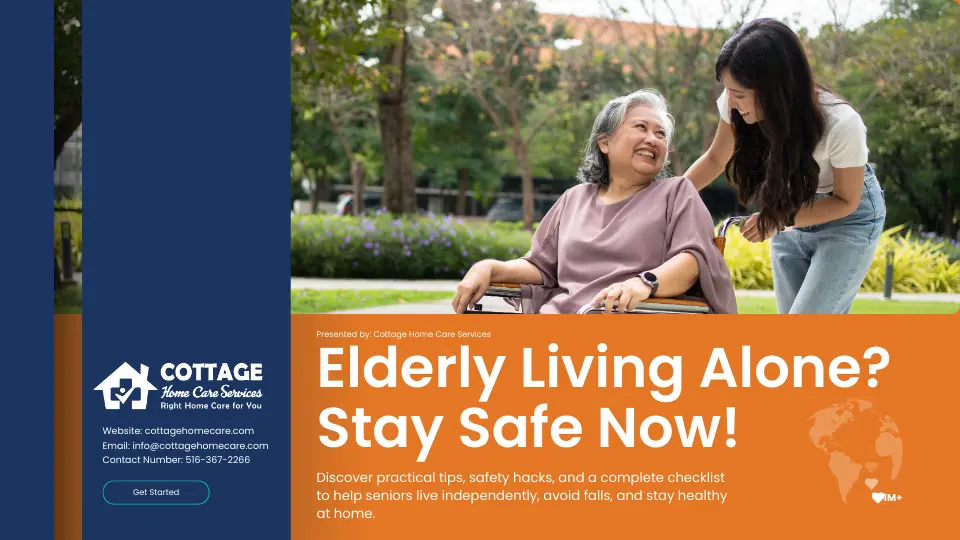
Protect your loved one! Use this Checklist for Elderly Living Alone.
A Complete Guide to Safety and Independence for Seniors Living Alone
Introduction:
Being an older person who lives alone can be empowering, but it can also be very dangerous. Falls, medication mistakes, infections, and being alone can all make older adults less safe. The CDC says that more than 9,000 seniors die each year from falls at home, so safety at home is very important. Fragile bones and weaker skin make recovery from injuries harder and more expensive. A good safety checklist for seniors living alone helps them stay healthy, independent, and dignified while lowering these risks. This book has safety suggestions for seniors who live alone, ways to keep elders from falling, house changes, and how to be ready for emergencies.
Many older people want to stay in their homes as they get older, even though they face daily dangers. Home adjustments, mobility aids, and modifications for elderly independence can prevent injuries and reduce stress. It's important to do everything you can to keep your loved one safe, from putting in grab bars to making a senior home care checklist for elderly living alone. Families and caregivers may find it helpful to recognize hazards and implement a thorough safety checklist for elderly living alone.This ensures seniors remain secure, confident, and self-reliant for as long as possible.
Stats & Dangers for Seniors:
Falls are the top concern for persons over 65. They cause both fatal and nonfatal injuries and are responsible for significant healthcare costs. Older people need to avoid falling because even minor accidents can cause broken bones, head injuries, or hospitalization. Another worry is medication errors; missing doses, taking too much, or taking the wrong medicine can quickly make health problems worse. Infections and inadequate hygiene are common, especially for older people who can't move around much. They can get bedsores, UTIs, or respiratory illnesses.
Being alone can also be bad for your mental and physical health. Seniors who live alone often experience loneliness, which can lead to despair, anxiety, and cognitive deterioration. People with dementia or Alzheimer's are at even greater risk because they may wander, take their medicine incorrectly, or get hurt in the home because of hazards. There are often hidden dangers in homes, such as inadequate lighting, unsecured rugs, worn cords, mold, CO poisoning, clutter, unsafe stairs, and chemicals in the kitchen or garage.A senior living safety checklist for elderly living alone helps find and reduce these risks.
General Home Safety:
A structured home safety audit for older people is the first step to making the home safe. Regular inspections, whether done by a professional or as a do-it-yourself project, find problems before they happen. The whole house should be well-lit to stop trips and falls, with motion sensors, nightlights, and stair lights. Cleaning up all the paths lowers the chance of falls, and using nonslip pads to hold down rugs keeps them stable. Fire safety is equally important. Installing smoke detectors and CO alarms, keeping fire extinguishers close by, not using too many outlets at once, and practicing fire drills are all ways to avoid disasters.
To avoid unintentional poisonings, it is essential to store chemicals, cleaning products, and medicines correctly. Emergency readiness is another vital component. Seniors should have phones or emergency alert systems, posted emergency contacts, and a clear evacuation plan. Home modifications such as wider hallways and lever-style handles improve accessibility for seniors and reduce the likelihood of accidents. Together, these steps offer a strong foundation for home safety for seniors following a checklist for elderly living alone.
Check List for Preventing Falls:
For older people, falling can change their lives. Removing loose rugs, electrical cords, clutter, and low furniture makes it less likely that people will trip. Adding grab bars, nonslip flooring, and bathroom threshold ramps makes them safer. Adding stair rails on both sides of the stairs and nonslip mats in baths and tubs gives you more support. Easy-to-sit-on things like kitchen stools or shower chairs are suitable for seniors because they keep them from getting tired and falling.Seniors can stay independent and safe by using various fall prevention strategies and following a structured checklist for elderly living alone.
Families and caregivers need a fall prevention checklist for elderly living alone. Other ways to avoid injuries include keeping an eye on shoes, promoting safe exercise habits, and ensuring regular vision and balance checks. Mobility aids, including walkers or canes, improve confidence and reduce the risk of falls. Seniors can stay independent and safe by using various fall prevention strategies and changing their homes.
Emergency Preparedness:
Emergencies can come at any time. Medical alert devices, especially those that detect falls automatically, allow seniors to summon help instantly. An emergency kit for seniors should include food, water, medications, first aid supplies, batteries, and important documents. Everyone in the house needs to know what to do in case of a fire or other natural disaster, so exit plans must be checked often. A backup generator is advised to keep medical devices functional in case of power outages.
Planning helps older people feel less anxious and more prepared for emergencies. Families can practice drills, review contact lists, and ensure alarms and warning systems work.seniors also need to be trained and confident so they can deal with unexpected situations. Including this in a checklist for elderly living alone ensures preparedness
Security:
Home security is vital for elderly independence. Auto-shutoff equipment, such as stoves and ovens, can help avoid accidental fires. Bright smoke and CO alarms that alert caregivers immediately add a layer of protection. Security systems like cameras, smart locks, and motion sensors lessen dangers from burglars. Surge protectors should be changed every three to five years to keep electrical risks to a minimum. Outdoor security includes trimming landscaping to eliminate hiding spots and securing windows, gates, and entry points.
Keeping the environment safe is a direct approach to ensure elders are safe and at ease. elders can feel safer and more confident living alone by using technology, physical safety measures, and regular upkeep. Adding security elements is a key step in any checklist for elderly living alone.
Independence and accessibility:
Seniors who live alone need adaptations to make their homes more accessible. Grab bars, lever handles, and nonslip carpets help prevent accidents, while pill organizers, automatic dispensers, and delivery services make sure that seniors take their medications correctly. Changing your home, such as raising outlets to waist height, making doorways wider for walkers or wheelchairs, and adding stairlifts for homes with more than one level, can help you move around and be more independent. Innovative technology makes daily life even easier, like lights that turn on when you say "turn on," reminders, and emergency calls.
TTo keep independence, a well-designed checklist for elderly living alone should include these adaptations. By combining practical home changes with technology, seniors can continue living safely alone while lowering dependence on caregivers or family members.
Room-by-Room Safety:
Pay attention to every room in your house to keep it safe. Bed rails, phones, nightlights, and bedside commodes make bedrooms safer and easier to get to. Grab bars, nonslip mats, higher toilet seats, walk-in showers, and good ventilation help keep bathrooms from getting slippery and sick. Fire extinguishers, smoke detectors, low storage, strong stools, and dishes that won't break all make kitchens safer. Clear walkways, safe furniture, and nonslip pads under rugs suit living spaces. Stairs need handrails on both sides, nonslip treads, bright lights, and uncluttered places. Garages must be well-lit, have clean floors, well-maintained doors, and good ventilation.
Implementing a room-specific safety checklist for seniors ensures that every space is adapted to prevent accidents. Families can use tables or diagrams to document home hazards and track completed safety modifications. Regularly checking the configuration of each area helps keep the living space safe, comfortable, and easy to get to.
Facility-Specific Safety (Nursing Homes / Care Homes):
When elders reside in care facilities, safety precautions are very important. Mobility aids must be kept up, cleanliness guidelines must be observed, and infection control measures must be done. Residents' rooms should have bed rails, call buttons, and decent lighting. Staff training is very important for dealing with emergencies and providing safe care. Facilities must stay odor-free, quiet, and comfortable, and food safety rules must be followed to make sure that food is stored and handled correctly. Regular nursing home safety checklists help keep care consistent and protect residents' health.
Facilities that employ stringent safety protocols improve geriatric wellness and reduce the probability of falls or medication errors. Families can determine if the facility meets recommended standards, such as being ready for emergencies, following hygiene rules, and helping people with cognitive health problems. These measures enhance freedom while ensuring seniors are safeguarded in communal situations.
Signs an Elderly Person May Be Struggling:
It's important to know when an older person is having trouble. Difficulty with stairs, bathing, or meal preparation can signal additional support. Accidents often happen when people need more medical care, feel alone, or have problems keeping up with house repairs. Frequent falls, clutter, inadequate lighting, cognitive deterioration, and delayed emergency reactions are warning signals. Unsafe driving or not having a way to get around are more signs that living on your own is hard.
A safety checklist for seniors who live alone helps families keep an eye on these warning signs. Early detection allows for prompt intervention, whether home modifications, in-home caregiver support, or transitioning to a senior living facility. Monitoring these indicators protects health, safety, and overall quality of life.
Benefits of Senior Living Communities:
Senior living facilities have built-in safety precautions, including accessibility adaptations and emergency systems. Daily help with personal care and medications lowers stress and ensures people follow the rules. Healthy dining, communal meals, and engaging activities encourage mental and physical wellness. Memory care programs help elders with Alzheimer's or dementia, while transportation services and maintenance-free living make daily life easier.
Choosing a senior community can provide seniors and families with peace of mind. These spaces integrate assisted living alternatives with social interaction, minimizing isolation and helping prevent cognitive decline. They offer a safe and controlled lifestyle while allowing elders to keep their freedom in a secure atmosphere.
Next Steps for the Family:
Families should begin with a professional home assessment to find dangers and check how safe the home is for seniors. Open conversations help people agree on their wants and deal with their worries. Planning your finances, such as insurance, savings, and VA benefits, ensures you have the money you need for possible care needs. Exploring in-home care, family support, or senior communities allows families to make informed choices. When you visit communities, you can see the amenities, staff, and daily routines for yourself.
Families may keep their loved ones safe while giving them freedom by following a planned checklist for elderly care. Combining assessments, planning, and community exploration ensures seniors live safely, comfortably, and independently.
Messages that are both emotional and practical:
Home safety doesn't protect freedom; it protects independence and dignity. Small things, like a rug that isn't tight or lights that aren't bright, can change a senior's life overnight. Social isolation is just as dangerous as falling, which shows how important it is to protect your physical and social safety. Instead of seeing moving to a senior living community as losing independence, people should see it as gaining security, support, and a better quality of life.
A well-implemented safety checklist for elderly homes gives families peace of mind and lets seniors feel safe in their homes. Safety measures, technology, and supportive routines enhance daily living, prevent accidents, and preserve dignity.
Advantages of Safety Checklists for Seniors:
A structured checklist makes the home easier to get to and lessens the strain on the body. Early intervention stops dangers before they happen. Fall prevention for seniors, fire safety, and medication management are improved through consistent monitoring. A safe house improves life, gives you more freedom and confidence, and lowers healthcare costs, emergency room visits, and long-term care.
A thorough safety check of a senior's home helps them stay healthy and independent for a long time. Seniors can stay safe at home longer by combining practical steps with emotional support and family involvement. Caregiver daily checklists and safety audits for each room ensure that all tips for older adults living alone are covered.
References & Resources:
Cottage Home Care Services provides care to seniors in need and has taken on some of the most challenging cases in New York. We offer HHA/PCA & Private Pay Home care services throughout New York City. You can reach us at 516-367-2266 or email at info@cottagehomecare.com.
For HHA Certification, visit Brooklyn Institute of Vocational Training or check this page. Contact number: (929) 386-0092.
🔗 Helpful Checklists:
Recent Posts
Categories
Related Topic
checklist for elderly living alonesenior home safetyfall prevention for seniorsemergency preparedness seniorselderly independencesenior living checklisthome safety tips for seniorsin-home care for elderlycaregiver checklist seniorsdaily care checklist elderlysenior safety audithome modifications for seniorssenior emergency kitsafe home for seniorselderly fall prevention tips
0comments
COMMENT SECTION

![[Valid RSS]](https://www.rssboard.org/rss-validator/images/valid-rss-rogers.png "Validate my RSS feed")